The benefits of custom application software development


Zoe Reinhardt
Managing Director
Published:
Custom software development services are transforming the way businesses operate but not always for the reasons people think.
Most organisations don’t struggle because they lack tools. They struggle because:
systems don’t connect
decisions are delayed
data arrives too late to act on
This is where custom software solutions create real value.
Rather than forcing businesses to adapt to off-the-shelf platforms, bespoke software development UK enables organisations to build systems around how they actually operate - improving not just efficiency, but the speed and quality of decision-making.
In a digital landscape shaped by AI, automation, and real-time data, this shift is becoming essential.
What are bespoke software development services?
Bespoke software development services involve designing and building applications tailored to specific business requirements.
Unlike standard tools, these solutions are created by software development firms to reflect:
unique workflows
operational constraints
long-term strategic goals
This can include:
web application development services and custom web development
mobile app development services, including iOS app development services and android app development services
enterprise application development services
business process automation software
The goal isn’t just functionality. It’s alignment - ensuring technology supports the way the business actually runs.
Key benefits of bespoke software development
Bespoke software development provides several advantages for businesses aiming to optimise operations and drive transformation. While many benefits are widely known, the real impact comes from how these solutions are designed and implemented.
When does custom software make sense?
Custom software isn't the right choice for every business or every problem. If an existing product already meets your requirements, buying rather than building can often be quicker and more cost-effective.
Custom application software development becomes more valuable when your requirements are specific enough that off-the-shelf tools start creating compromises rather than solving the problem.
This might be the case when:
Your existing systems don't work well together. Custom software can connect different platforms, data sources and processes, reducing the need for manual workarounds.
Your processes are unique to your business. Rather than changing how your teams work to fit generic software, a custom solution can be designed around the processes that give your business an advantage.
You're relying heavily on spreadsheets or manual processes. Custom applications can automate repetitive work and bring fragmented workflows into one system.
You need a specific customer experience. Customer applications can be designed around the needs of your users rather than the limitations of an existing platform.
Your requirements are likely to evolve. Owning the software gives you greater control over how it develops as your organisation, users and technology change.
The decision should ultimately start with the problem rather than the technology. Before investing in custom app development, it's important to understand what needs to change, whether software is the right answer and what value a new solution could create.
Custom software vs off-the-shelf software
One of the first decisions businesses face is whether to build a custom solution or use an existing software product. Neither approach is inherently better; it depends on the problem you're trying to solve.
Off-the-shelf software is usually faster to implement and has a lower upfront cost. For common business requirements such as accounting, communication or basic project management, an established product may already provide everything you need.
Custom software requires greater upfront investment, but gives you much more control over how the solution works. The functionality, integrations and user experience can be designed around your organisation, rather than requiring your organisation to work around the limitations of the software.
Custom development can be particularly valuable when you need to integrate with existing systems, automate specialist processes, handle complex data or create functionality that isn't readily available in commercial products.
The question isn't simply whether custom software is better. It's whether the additional flexibility and ownership will create enough long-term business value to justify building it.
Tailored solutions for unique business needs
Custom software development addresses specific business challenges directly.
A custom software development firm can design systems that:
match internal processes
support industry-specific requirements
eliminate unnecessary features
This is particularly valuable in complex environments where generic tools fall short.
With custom web application development services and custom mobile application development, businesses gain solutions that evolve alongside their needs - not ones they outgrow.
Enhanced efficiency and productivity
One of the most immediate benefits of software development solutions is improved efficiency.
Through business automation services and digital process automation, organisations can:
reduce manual work
minimise errors
streamline operations
However, the real advantage isn’t just automation - it’s freeing up teams to focus on higher-value work.
This is where many digital transformation companies fall short: they automate tasks, but don’t rethink how work should flow.
Competitive advantage and innovation
Bespoke software enables businesses to build capabilities competitors can’t easily replicate.
With the support of innovation consulting services and AI software development services, organisations can:
introduce new digital products
enhance customer experiences
respond faster to market changes
This is particularly relevant for companies investing in web and mobile application development, where differentiation is critical.
Innovation is no longer just about having new ideas - it’s about executing them quickly and effectively.
Seamless integration and scalability
Unlike off-the-shelf tools, bespoke systems are designed to integrate with existing infrastructure.
A web application development company or enterprise app development partner can ensure:
compatibility with legacy systems
smooth data flow across platforms
minimal disruption during implementation
Scalability is equally important.
As businesses grow, custom software services can expand with them - avoiding costly replacements or limitations often associated with pre-built solutions.
Examples of custom software applications
Custom software can take many forms depending on the problem a business needs to solve.
It might be an internal platform that replaces spreadsheets and disconnected tools, a customer application built around a specific user experience, or management software that brings information from multiple systems into one place.
Other examples include:
Workflow and process automation platforms
Customer portals and self-service applications
Bespoke CRM and management software
Mobile and web applications
Operational dashboards and reporting platforms
Supply chain management software
AI-powered applications and automation tools
IoT platforms connecting physical equipment with digital systems
Integration layers connecting existing systems and data sources
What makes these applications custom isn't simply the technology used to build them. It's that their functionality, integrations and user experience are designed around the organisation's specific requirements rather than the limitations of a generic product.
Types of custom software development services
Custom software development spans a wide range of services, each designed to support different aspects of a business.
Web application development
Web application development in the UK focuses on building browser-based platforms tailored to business needs.
This includes:
custom web app development
custom website development
platforms developed by a web app agency or web app development company
These applications are often used for:
internal systems
customer portals
operational dashboards
Mobile application development (iOS & Android)
Mobile solutions are a core part of modern digital strategies.
A mobile app development service may include:
ios mobile application development and iphone app development company expertise
android mobile application development company services
cross platform mobile app development, including react native app development services
Choosing the right approach depends on performance, scalability, and mobile application development cost considerations.
Enterprise application development
Enterprise application development services are designed for large-scale, complex systems.
These solutions support:
high volumes of data
multiple integrations
real-time operational requirements
For organisations asking what is an enterprise app, the answer increasingly includes systems that enable faster, more informed decision-making, not just process management.
Business process automation solutions
Business process automation solutions focus on improving efficiency and consistency.
By leveraging digital transformation tools and software engineering companies, businesses can:
automate workflows
improve accuracy
reduce operational bottlenecks
When combined with AI, these systems can move beyond automation into intelligent decision-making.
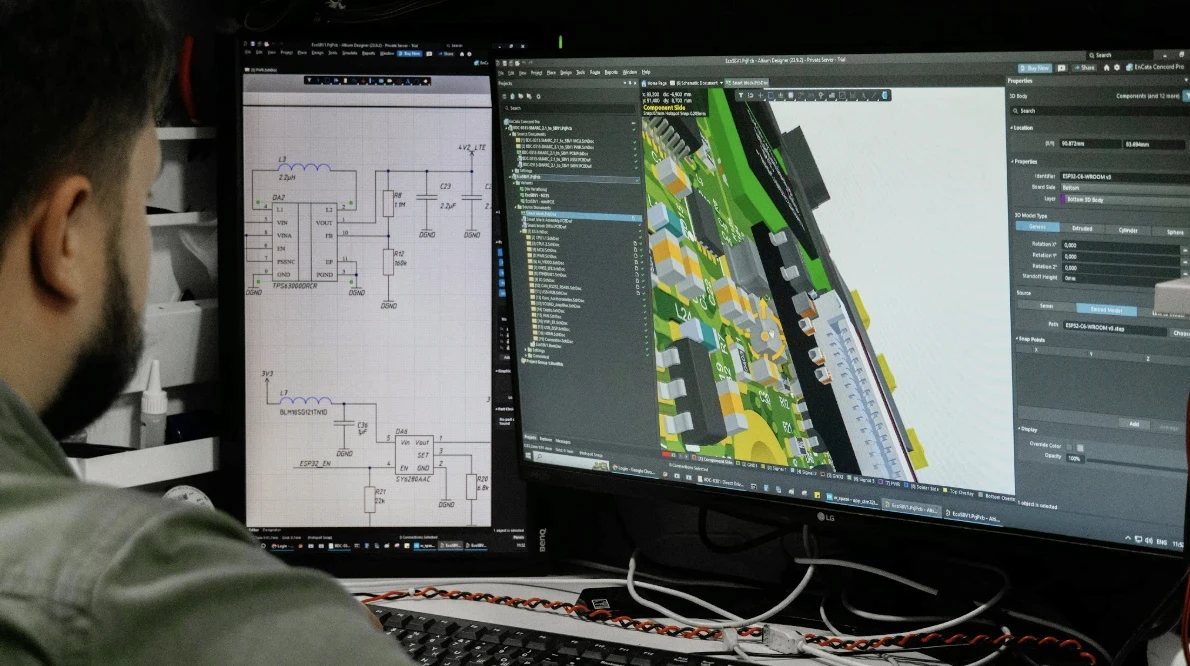
The role of custom software in digital transformation
Custom software plays a critical role in any digital transformation roadmap.
A successful digital transformation strategy consulting approach goes beyond implementing new tools. It focuses on:
connecting systems
enabling data flow
improving responsiveness
This is where digital transformation management becomes important.
Without the right architecture, businesses risk investing in disconnected platforms that fail to deliver meaningful change.
Custom software provides the foundation for:
real-time insights
faster decisions
scalable innovation

How does the custom application development process work?
Every custom software project is different, but a good development process should reduce uncertainty before significant time and budget are committed to building.
Rather than jumping straight into development, the process usually moves through several stages.
1. Discovery and strategy
The first step is understanding the problem the software needs to solve. This means looking at your business goals, users, existing systems, technical requirements and any constraints that could affect the project.
Good discovery helps define what should be built, why it matters and what success should look like.
2. Design and prototyping
Before committing to full development, ideas can be explored through user journeys, wireframes and prototypes.
This allows teams to test assumptions, gather feedback and improve the user experience early, when changes are quicker and less expensive to make.
3. Software development
Once the direction has been validated, development can begin.
Custom software is often built iteratively using Agile methods, with functionality delivered in manageable stages rather than attempting to build the entire system at once. This gives teams regular opportunities to review progress, respond to feedback and adapt requirements as the project develops.
4. Testing and quality assurance
Testing takes place throughout development to make sure the software works as intended and performs reliably.
Depending on the application, this can include functional testing, usability testing, integration testing, performance testing and security testing.
5. Launch and integration
Once the software is ready, it can be deployed into the live environment and integrated with the systems, data sources or third-party services it needs to work with.
For more complex organisations, careful integration with existing systems can be just as important as developing the application itself.
6. Continuous improvement
Custom software shouldn't necessarily be treated as a one-off project.
Once people begin using the application, real-world feedback and performance data can reveal opportunities to improve it. An iterative approach allows the software to continue evolving alongside your users, business requirements and wider technology landscape.
The right custom application development process should give you opportunities to test, learn and make informed decisions throughout the project, rather than discovering at the end that you've built the wrong thing.
Choosing the right bespoke software development partner
Selecting the right partner is critical.
Beyond technical capability, businesses should look for:
strong software consultancy expertise
understanding of business processes, not just technology
experience across enterprise software development and innovation
The best custom software company will:
challenge assumptions
prioritise outcomes over outputs
align technology with real business value
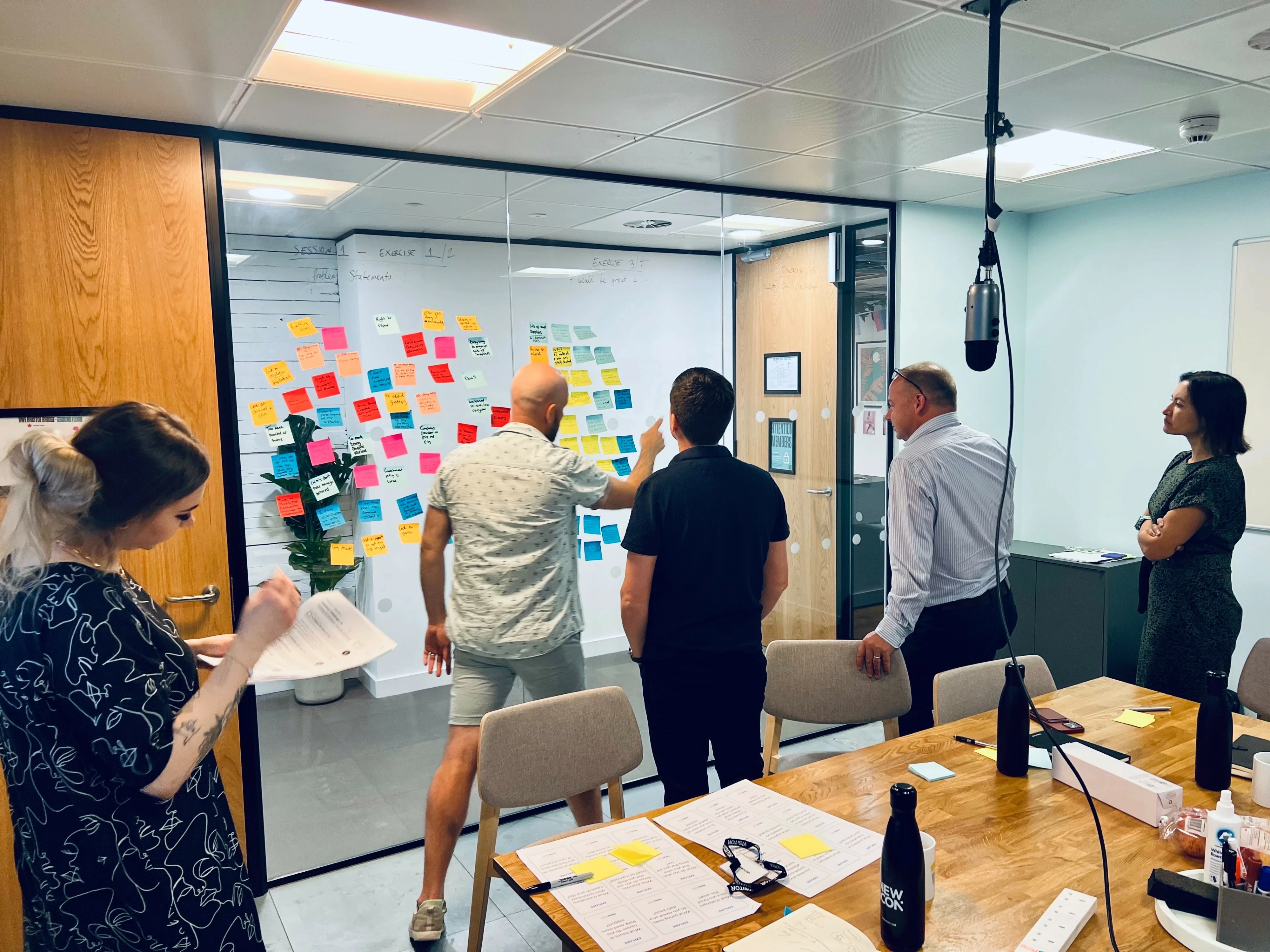
Cost considerations and ROI of custom software
Searches around mobile app development cost and custom software services often focus on upfront investment.
However, the long-term value is more important.
Custom solutions can deliver ROI through:
increased efficiency
reduced operational costs
improved customer experience
When aligned with a clear digital strategy framework, bespoke software becomes a long-term asset rather than a short-term expense.
Real-world success stories
Custom software has delivered measurable impact across industries.
From reducing operational costs to improving decision-making speed, businesses using tailored solutions often outperform those relying on generic tools.
The most successful implementations share a common trait: they are designed around real-world use, not theoretical requirements.
Conclusion: unlocking growth with bespoke software development services
Bespoke software development services are no longer just about building applications.
They are about enabling businesses to:
operate more efficiently
respond faster
innovate with confidence
In a landscape defined by AI, automation, and real-time data, custom software development services provide the flexibility and control needed to stay competitive. For organisations looking to move beyond off-the-shelf limitations, bespoke solutions offer a clear path to sustainable growth.
Zoe Reinhardt
Managing Director
Zoe has more than a decade of experience leading teams and delivering complex digital projects. As Managing Director at New Icon, she leads delivery across the business, helping clients turn strategy into successful digital products and transformation initiatives through strong teams, effective processes and a focus on measurable outcomes.
